

Olympia Services · Licensed & Insured
Ceiling Water Damage Repair in El Cajon & San Diego County
Ceiling water damage repair in San Diego County. We moisture-map the cavity and find the leak before we open drywall. 24/7, licensed, 27 years. CA Lic. 1044933.
- 4.2 · 27 Google Reviews
- Licensed & Insured
- 24/7 Emergency Response
- Serving El Cajon & SD County
Locally Owned · Licensed · Insured
Why El Cajon Chooses Olympia Services
You've got a brown ring or a sagging patch on your ceiling and you need ceiling water damage repair, but first you need to know whether the leak above it is still active. That's the fork every ceiling stain forces, and it's the one most repair crews skip: they patch the drywall and hand you a fresh stain three weeks later because the water source was never found. We do it the other way around. Before we touch your ceiling, we moisture-map the cavity above it with thermal imaging and calibrated meters to answer one question first, is water still getting in, or is this old dried damage. Olympia Services has run plumbing and water restoration out of Greenfield Drive in El Cajon for over 27 years, we answer the phone 24 hours a day, and we hold California Contractor Lic. 1044933.
The reason ceiling damage is different from a wall stain is gravity plus distance. Water enters somewhere above, a roof penetration, a second-floor toilet flange, an HVAC condensate line, a supply pipe in the joist bay, then it travels along framing and drips out at the lowest point, which is almost never directly under the actual leak. Chase the stain and you'll cut the wrong hole. Trace the moisture back to its source and you fix it once. Whether your stain means an active leak or dried history changes everything about the repair, so we settle that before quoting anything.
Olympia Services
Ceiling Water Damage Repair: Active Leak or Dried Damage?
Ceiling water damage repair starts with one decision, not a paint bucket: is the leak above still active, or is this dried damage from a problem that's already been fixed. Get that wrong and everything after it is wasted. We read the ceiling first with a moisture meter and a thermal camera, which shows a cool, wet plume in the drywall and joist cavity that the eye can't see, then we know which repair you actually need.
Active leak vs. dried damage: two different jobs
An active leak means water is still entering the cavity. The stain will be soft, may be growing, and often reads damp days after the last rain or the last shower upstairs. Dried damage reads bone-dry on the meter, the edges are crisp and set, and the discoloration hasn't changed in weeks. Those are two completely different jobs.
"We moisture-map the cavity before we open a single square foot of ceiling. On a ceiling stain, that one habit is the difference between finding the leak and just hiding it."
If it's active, the leak gets found and stopped before any drywall goes back, because a fresh ceiling under a live leak is money you'll spend twice. If it's dried and the source is confirmed dead, we move straight to drying-verification, cutting out the compromised material, and rebuilding. Our water damage restoration crew runs this same source-first sequence on every ceiling call across San Diego County. Ready when you are: call (619) 734-1889.
Olympia Services
How to Repair Ceiling Water Damage, Step by Step
- Moisture-map the cavity. Thermal imaging plus a pin meter across the ceiling and up the adjacent wall, because water tracks along joists and shows up feet from the source. Takes about 20 to 30 minutes and tells us where to open, and where not to.
- Find and stop the source. We trace it to the actual failure, a supply line in the joist bay, a toilet flange or shower pan above, a roof or flashing penetration, an HVAC condensate line, then stop the water before anything else happens.
- Dry the structure. Air movers and dehumidifiers run on the wet framing and cavity until the meter reads dry standard. We don't close a ceiling over damp joists.
- Remove what can't be saved. Sagging, crumbling, or delaminated drywall and any soaked insulation come out. Ceiling drywall that's held water loses its structural bond and won't take paint again.
- Rebuild and finish. New drywall, taped, textured to match your existing ceiling, primed with a stain-blocking sealer, and painted so the repair disappears.
Damage doesn't wait. Neither do we.
Talk to a licensed technician now and get a fast, no-pressure estimate.
Olympia Services
When Ceiling Water Damage Repair Isn't the Right Call Yet
Not every ceiling stain needs us on the roof or in your walls, and we'd rather tell you that than sell you a job you don't need. Here's when ceiling water damage repair isn't the right first call.
A few other times to pause. If the discoloration is directly under a bathroom and only appears right after a shower, the fix may be a re-caulk or a grout seal, not a ceiling teardown. If you see the stain during a hard rain but never otherwise, that's a roofing question first. And if there's any sag holding a visible pool of water, that's the exception, poke a small drain hole to relieve it and keep everyone out from under it, because a saturated ceiling can let go all at once. When you're not sure which situation you're in, that's exactly when a moisture read pays for itself. Prefer to talk it through? Get a free assessment and we'll tell you straight whether you need a repair yet.
What's Actually Leaking Above Your Ceiling
A ceiling stain almost never sits directly under its source. Here are the failures we trace ceiling water damage back to in San Diego County homes, and how we tell them apart before we open anything.
-
Plumbing in the Joist Bay
A supply or drain line running through the joist bay above the ceiling. Common in two-story El Cajon homes and in pre-1980 houses on Helix Water District's hard water, where decades of mineral content pit copper and galvanized from the inside until a pinhole opens over the ceiling below.
-
Bathroom Above
A second-floor toilet with a failed wax ring or a leaking supply, or a shower pan or tub surround that's letting water past the tile. These drip only when the fixture is used, which is why the stain seems to come and go, a tell we look for on the first read.
-
Roof & Flashing
A roof penetration, worn flashing around a vent or skylight, or a clogged valley. In San Diego County these show up during the winter rain months and go quiet all summer. If your ceiling stain tracks the weather, the source is almost always up top, not in the plumbing.
-
HVAC Condensate
An HVAC condensate line that's clogged and backing up, or a unit in the attic dripping into the ceiling below. This one runs in the cooling season and fools people into thinking they have a plumbing leak. Thermal imaging separates a condensate drip from a pressurized-line leak fast.
-
Dried, Already-Fixed Damage
Old, dried damage from a leak that's already been fixed. The stain is set, the meter reads dry, and there's no active source. This one doesn't need a restoration crew at all, just cut-out or a stain-blocking seal and repaint. We'll tell you when that's all it is.
-
The Right Repair, Not the Biggest
Once we've confirmed the source and the cavity is dry, we choose the smallest repair that actually lasts, not the biggest ticket. You get the honest tradeoff between a seal-and-paint, a partial cut-out, and a full section rebuild, with the reasoning, so it stays your call.
Customer Reviews
What Customers Say About Our Ceiling Work
When I had them come out to look at a leak in pipes running from the water heater through the ceiling of my friend's home, they were expeditious, efficient, fixed the leak, and repaired the ceiling. Not only were the cosmetics on point, but the professional touch of diplomacy lent by Troy in dealing with my friend, who is quite particular about things. Exceptional work.
We had extensive water damage, including carpet. Olympia Services promptly responded. Cesar the worker was always prompt and professional. Completion was done within a week, can't tell where any of the damage was. Excellent service!
Get Help Fast
Get the Ceiling Leak Found and Fixed Right
Got a stain, a sag, or a drip on your ceiling? Start with a moisture read, not a paint bucket. Olympia Services confirms whether the leak above is active or dried, traces it to the real source, dries the cavity, then rebuilds and finishes so the repair disappears. Over 27 years serving El Cajon and San Diego County. Available 24/7. Fully insured. California Contractor Lic. 1044933. Call (619) 734-1889 or request a free quote online.
Call (619) 651-8111- ✓ 24/7 emergency dispatch
- ✓ Licensed & insured
- ✓ Free estimates
Request a free quote
Good to Know
Frequently Asked Questions
Is a water stain on the ceiling dangerous? +
How do I find where a ceiling leak is coming from? +
Does ceiling water damage always mean mold? +
Why does my ceiling stain keep coming back after painting? +
What should I do right now if my ceiling is leaking? +
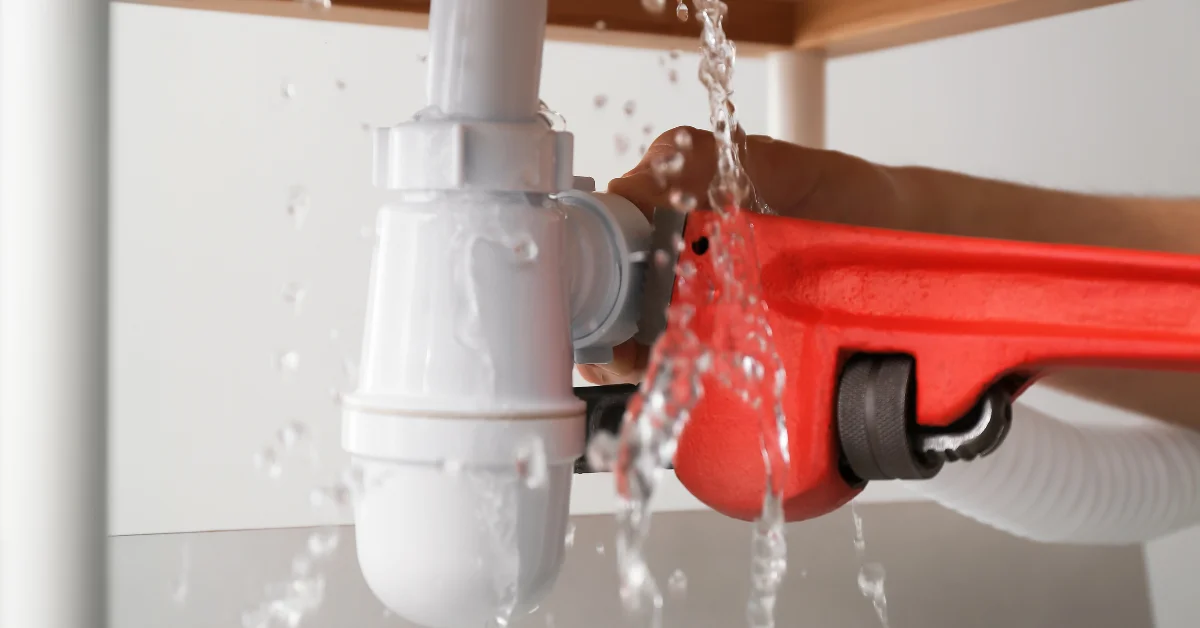
24/7 Emergency Service
Restoration & plumbing you can count on, any hour of the day.
Over 27 years serving El Cajon and San Diego County. Licensed, insured, and ready when you call.